Raleigh’s CNC Machining Scene What You Need to Know
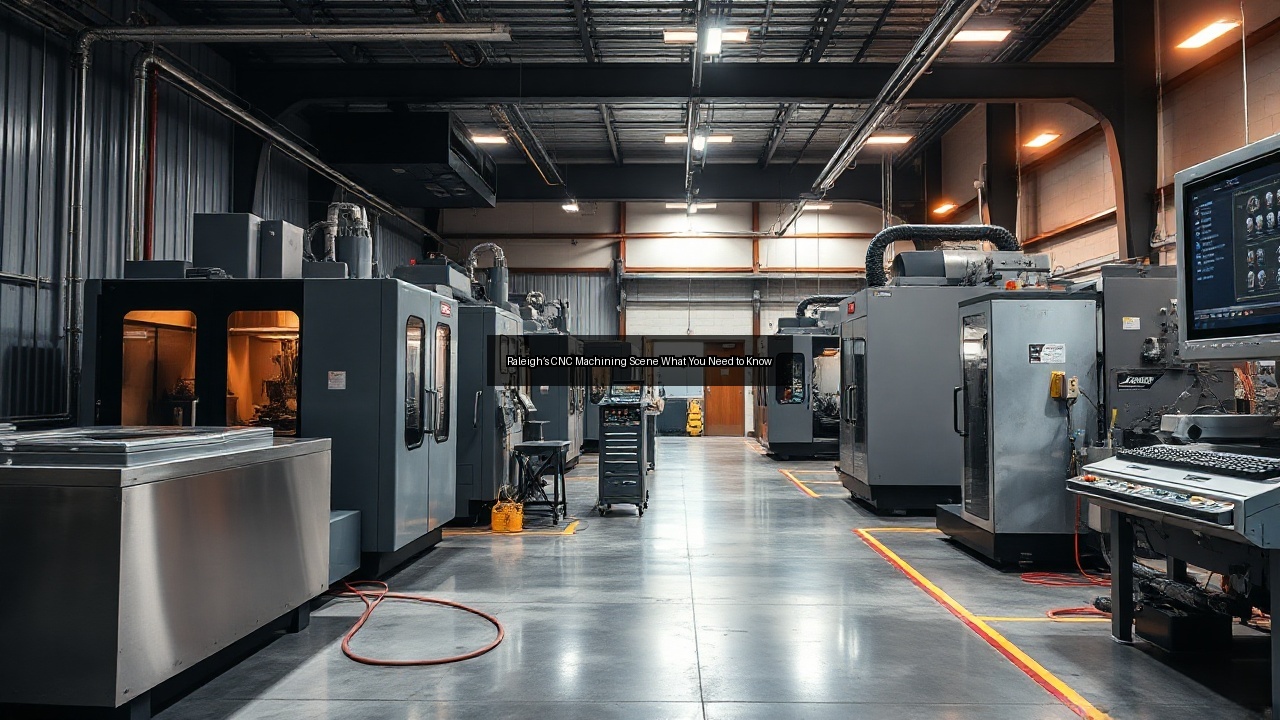
Overview of CNC Machining in North Carolina
The Growth of CNC Machining in Raleigh
Raleigh, the vibrant capital of North Carolina, stands at the forefront of the CNC machining landscape. The city's strategic location within the Research Triangle Park fuels innovation and collaboration between technology and manufacturing sectors. Over the past decade, Raleigh has experienced remarkable growth in CNC machining, driven by advancements in technology and an increasing demand for precision engineering. Local industries, ranging from aerospace to automotive, rely heavily on CNC machines for their production needs. This surge in demand has led to the establishment of various CNC machine shops, which offer services that include CNC milling, CNC lathe machining, and more. As a result, the city has become a hub for skilled CNC machinists, creating a robust ecosystem that supports both established companies and startups.
Key Players in North Carolina's CNC Scene
North Carolina's CNC machining scene features a diverse array of key players, each contributing to the industry's strength and reputation. Prominent CNC machine shops in Raleigh and surrounding areas specialize in a variety of services, including precision CNC machining and metal fabrication. Companies such as Precision CNC Machining in Concord and others across the state have established themselves as leaders in the field. These shops invest in state-of-the-art CNC machines, enhancing their capabilities to work with materials like titanium and various alloys. Furthermore, local educational institutions collaborate with industry leaders to create training programs, ensuring a steady pipeline of skilled CNC machinists. This synergy between education and industry fosters a skilled workforce, ready to meet the demands of North Carolina's thriving manufacturing sector.
Types of CNC Machines and Their Applications
CNC Mills: Precision and Versatility
CNC mills play a critical role in the machining process, offering both precision and versatility. These machines utilize computer-controlled tools to remove material from a workpiece, creating complex shapes and designs. In Raleigh, CNC milling has become a preferred method for producing intricate components used in various industries, including aerospace and medical devices. The ability to work with different materials, such as aluminum, steel, and plastics, makes CNC mills indispensable for manufacturers. Furthermore, advancements in CNC technology allow for increased tolerance levels, enabling the production of parts that meet stringent specifications. This capability cnc machined in north carolina not only enhances product quality but also streamlines production times, making CNC milling an efficient choice for businesses looking to maintain a competitive edge.
CNC Lathes: Turning Ideas into Reality
CNC lathes serve as another vital component of the CNC machining arsenal. These machines excel in producing cylindrical parts through a process called turning, where the workpiece rotates against a cutting tool. In the context of Raleigh's machining industry, CNC lathe machining is essential for creating components like shafts, bushings, and other round parts. The precision offered by CNC lathes enables manufacturers to achieve tight tolerances and consistent finishes, essential for high-performance applications. Moreover, modern CNC lathes are equipped with advanced features like live tooling and multi-axis capabilities, expanding their range of applications. As businesses continue to seek innovative solutions, CNC lathes remain a cornerstone of North Carolina's machining landscape, turning ideas into reality with efficiency and accuracy.
The Role of CNC Machining in Metal Fabrication
Metal fabrication relies heavily on CNC machining to enhance efficiency and precision. In North Carolina, CNC machining serves as a backbone for the metal fabrication industry, offering techniques that streamline production processes. Whether it's CNC milling, turning, or laser cutting, each method contributes to the creation of high-quality metal components. Local fabrication shops leverage CNC machines to produce everything from structural components to intricate parts for specialized equipment. The ability to work with various metals and alloys, including stainless steel and titanium, broadens the scope of projects that can be undertaken. Additionally, CNC machining allows for complex geometries and designs that would be challenging to achieve with traditional methods. As a result, the synergy between CNC machining and metal fabrication continues to drive innovation and growth within North Carolina's manufacturing landscape.
Technological Advancements in CNC Machining
State-of-the-Art CNC Machines in Raleigh
Raleigh's CNC machining landscape benefits significantly from the adoption of state-of-the-art CNC machines. Advanced machinery, equipped with the latest technology, enhances NC cnc machining productivity and accuracy across various applications. Shops in the NC cnc milling area increasingly invest in multi-axis CNC machines that allow for complex machining operations in a single setup. This capability reduces production time and minimizes the risk of errors, resulting in higher-quality outputs. Additionally, the integration of automation and robotics into CNC machining processes has transformed how machine shops operate. Automated systems streamline workflows, reduce labor costs, and improve safety. As these technologies evolve, Raleigh's CNC machine shops continue to adapt, ensuring they remain competitive in an ever-changing market. The commitment to utilizing advanced machinery positions Raleigh as a leader in the CNC machining sector.
Innovations in CNC Milling and Turning
Innovations in CNC milling and turning have reshaped the capabilities of machine shops in North Carolina. New techniques, such as high-speed machining and adaptive machining, have emerged, allowing for faster production without sacrificing quality. High-speed machining, in particular, enables shops to increase material removal rates while maintaining tight tolerances, leading to more efficient processes. Furthermore, the integration of computer-aided design (CAD) and computer-aided manufacturing (CAM) software enhances the programming and setup of CNC machines. These tools allow machinists to visualize and simulate machining processes before actual production, minimizing errors and optimizing tool paths. As these innovations continue to develop, Raleigh's CNC machining industry will likely experience further growth, empowering machinists to tackle increasingly complex projects and meet diverse client needs.
Career Opportunities and Skills in CNC Machining
Becoming a CNC Machinist in North Carolina
A career as a CNC machinist in North Carolina offers numerous opportunities for growth and advancement. The demand for skilled machinists continues to rise, driven by the expanding manufacturing sector. Many CNC machine shops in Raleigh actively seek qualified candidates to fill positions, providing a pathway for individuals interested in the field. Training programs and technical schools throughout the state offer comprehensive education in CNC machining, equipping aspiring machinists with the necessary skills. These programs typically cover topics such as CAD/CAM software, machine operation, and blueprint reading. Additionally, on-the-job training provides valuable hands-on experience, allowing new machinists to gain confidence and proficiency. With the right training and dedication, individuals can build rewarding careers in this dynamic industry, contributing to North Carolina's manufacturing success.
Skills Required for CNC Machinists
CNC machinists require a unique blend of skills to excel in their roles. Technical proficiency in operating CNC machines is paramount, as machinists must understand various machining processes, including CNC milling and CNC lathe machining. Attention to detail is crucial; machinists must ensure that each part meets specified tolerances and quality standards. Familiarity with CAD/CAM software is also essential, as it allows machinists to program machines accurately. Problem-solving skills come into play when faced with challenges during production, enabling machinists to troubleshoot issues and implement effective solutions. Additionally, strong mathematical skills are necessary for calculating dimensions, tolerances, and feed rates. As the industry evolves, ongoing education and adaptability will remain key for machinists, ensuring they stay updated with the latest technological advancements and manufacturing techniques.