Machining Titanium for the Aerospace Industry Under AS9100 Standards
Understanding AS9100 Standards in Aerospace Manufacturing
Overview of AS9100 Certification
AS9100 certification represents a significant milestone in aerospace manufacturing, establishing a comprehensive quality management system tailored specifically for the industry. This standard integrates the robust principles of ISO 9001 and extends them to address the complexities and regulatory requirements of aerospace. AS9100 focuses on enhancing customer satisfaction, ensuring the safety and reliability of products, and fulfilling regulatory obligations. Aerospace manufacturers pursuing AS9100 certification demonstrate a commitment to quality, operational excellence, and continuous improvement, which ultimately enhances their market competitiveness. Achieving AS9100 certification involves rigorous audits and assessments, requiring manufacturers to adhere to stringent guidelines that govern every aspect of production, from design to delivery.
Importance of ISO 9001 in AS9100
ISO 9001 serves as the foundation for AS9100, providing essential principles for effective quality management systems. The integration of ISO 9001 into AS9100 emphasizes a process-based approach, ensuring that aerospace manufacturers can consistently meet customer and regulatory requirements. By focusing on customer satisfaction, ISO 9001 enhances operational efficiency and establishes a framework for continuous improvement. The importance of this standard in AS9100 cannot be understated; it lays the groundwork for aerospace AS9100 machining manufacturers to implement robust quality control measures and maintain a culture of quality throughout their organizations. This foundation ultimately supports the precision machining of materials like titanium, which is critical for aerospace applications. Manufacturers that embrace ISO 9001 principles are better positioned to achieve AS9100 certification, thereby enhancing their credibility and reliability in the aerospace supply chain.
Differences Between AS9100 Rev D and Previous Versions
AS9100 Rev D introduces several key updates that enhance its effectiveness in addressing contemporary challenges in aerospace manufacturing. Unlike previous versions, Rev D places a greater emphasis on risk management throughout the manufacturing process. This shift reflects the industry's evolving landscape, where identifying and mitigating risks is paramount to ensuring safety and compliance. Additionally, Rev D aligns more closely with other industry standards, facilitating easier integration for manufacturers. The revision also strengthens the focus on supply chain management, necessitating that aerospace manufacturers maintain stringent quality control not only within their operations but also among their suppliers. Overall, these enhancements in AS9100 Rev D promote a proactive approach to quality assurance and elevate the standards for aerospace machining and manufacturing.
Machining Titanium: Techniques and Technologies
CNC Machining in Titanium Fabrication
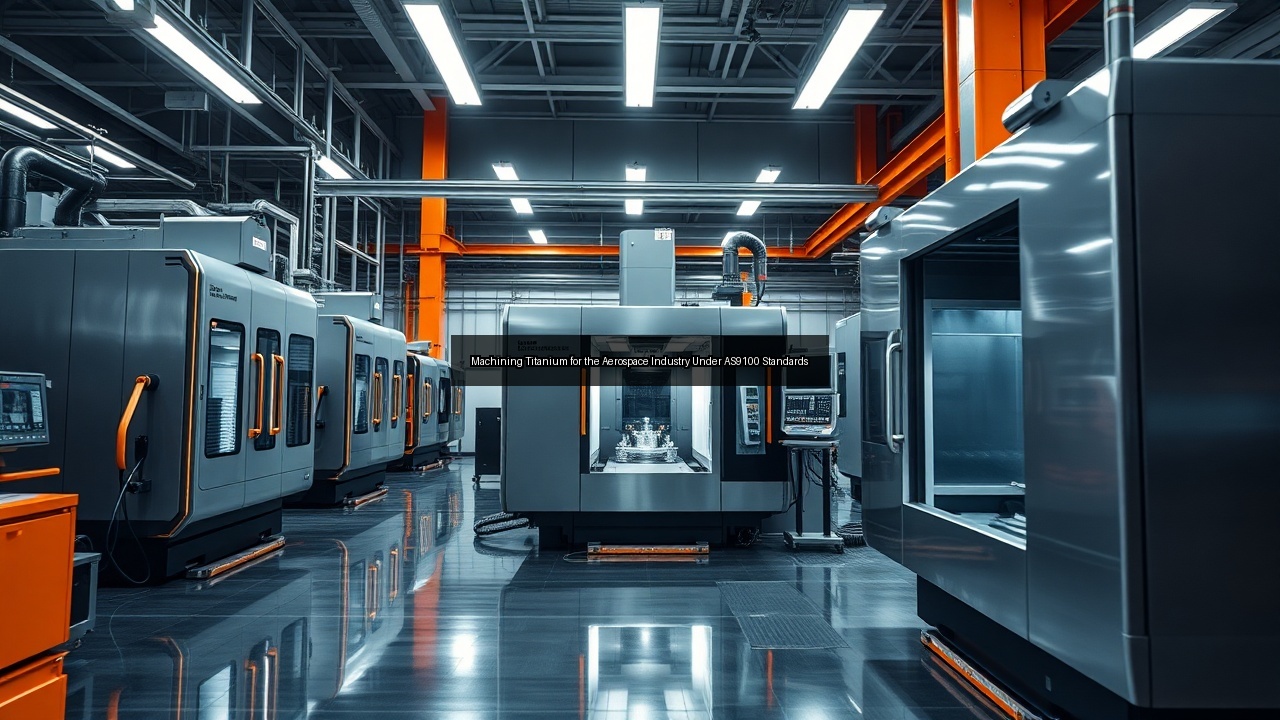
CNC machining has become a cornerstone in the fabrication of titanium components for the aerospace industry. This automated process allows manufacturers to achieve high precision and repeatability, making it ideal for producing complex geometries required in aerospace applications. Titanium, aerospace AS9100 machining known for its strength-to-weight ratio and corrosion resistance, presents unique challenges in machining. CNC systems equipped with advanced tooling can effectively manage these challenges, ensuring optimal cutting speeds and feed rates. The integration of sophisticated software and real-time monitoring technologies further enhances CNC machining capabilities, enabling manufacturers to adapt to the specific properties of titanium. By leveraging CNC machining, aerospace manufacturers can produce high-quality titanium components that meet the strict requirements set forth by AS9100 standards while maintaining efficiency and cost-effectiveness in their operations.
Innovative Machining Techniques for Aerospace
The aerospace industry continually seeks innovative machining techniques to enhance production efficiency and component performance. Techniques such as wire EDM (Electrical Discharge Machining) and laser cutting have gained traction for their ability to produce intricate designs with minimal material waste. These methods complement traditional machining processes, allowing manufacturers to explore new design possibilities in titanium and other materials. Additionally, advancements in additive manufacturing, such as 3D printing, have revolutionized the production of aerospace components, enabling rapid prototyping and reducing lead times. Integrating these innovative techniques into the machining process not only supports AS9100 compliance but also positions aerospace manufacturers at the forefront of technological advancement. As the industry evolves, embracing these innovations becomes essential for maintaining a competitive edge and fulfilling customer demands.
Comparison of Titanium with Aluminum Alloys and Steel
When it comes to aerospace applications, titanium, aluminum alloys, and steel each offer distinct advantages and challenges. Titanium boasts an unparalleled strength-to-weight ratio, making it ideal for critical components in aircraft and spacecraft. However, its higher cost and machining difficulty necessitate specialized techniques and tools. On the other hand, aluminum alloys provide excellent machinability and are lightweight, making them suitable for a wide range of aerospace applications. Steel, while stronger and more durable, is heavier and more prone to corrosion, limiting its use in specific contexts. Understanding these materials' properties allows aerospace manufacturers to make informed decisions about material selection based on performance requirements and machining capabilities. As AS9100 standards emphasize quality and safety, the choice of material plays a crucial role in the overall success of aerospace manufacturing processes.
Quality Control and Assurance in Aerospace Machining
Implementing Quality Control Measures
Quality control measures are essential in ensuring that aerospace components meet stringent safety and performance standards. Manufacturers must adopt a comprehensive quality management approach that includes regular inspections, testing, and process audits. Implementing statistical process control (SPC) helps monitor production consistency and detect anomalies early, minimizing the risk of defects. Additionally, utilizing advanced inspection technologies, such as coordinate measuring machines (CMM), enables precise evaluation of machined parts against design specifications. Aerospace manufacturers must also cultivate a culture of quality awareness among their workforce, empowering employees to take ownership of quality outcomes. Adhering to AS9100 standards necessitates that quality control measures are not merely reactive but embedded within every stage of the manufacturing process, from initial design through final inspection.
Role of Leadership in Quality Assurance
Leadership plays a pivotal role in fostering a culture of quality assurance within aerospace manufacturing organizations. Senior management must actively promote the importance of quality, ensuring that it is prioritized at every organizational level. Effective leaders communicate the vision and values associated with quality, motivating employees to embrace quality practices. They must also allocate resources for training and development, equipping teams with the skills necessary to uphold quality standards. Engaging employees in the quality assurance process encourages a sense of responsibility and accountability, ultimately leading to improved outcomes. By championing quality and supporting continuous improvement initiatives, leaders create an environment that aligns with AS9100 standards and enhances overall manufacturing performance.
Evaluating Suppliers in the Aerospace Supply Chain
The aerospace supply chain demands rigorous evaluation of suppliers to ensure that they meet high-quality standards. Manufacturers must conduct thorough assessments that include audits, performance reviews, and compliance checks against AS9100 requirements. Establishing clear criteria for supplier selection and evaluation helps mitigate risks associated with material quality and delivery timelines. Additionally, fostering strong relationships with suppliers encourages open communication, enabling manufacturers to collaborate on quality improvement initiatives. As the aerospace industry faces increasing pressures for compliance and innovation, maintaining a robust supply chain becomes essential for success. A proactive approach to supplier evaluation not only enhances quality control but also strengthens the overall integrity of the aerospace manufacturing process.
The Future of Aerospace Machining Technologies
Emerging Technologies in Metal Fabrication
The landscape of metal fabrication is evolving rapidly, driven by advancements in technology. Emerging technologies, such as artificial intelligence (AI) and machine learning, are revolutionizing the machining process, enabling predictive maintenance and optimizing production efficiency. Robotics and automation enhance precision and reduce human error, allowing for faster production cycles without compromising quality. Furthermore, hybrid manufacturing techniques that combine additive and subtractive processes are gaining traction, offering greater design flexibility and material efficiency. Aerospace manufacturers that embrace these emerging technologies position themselves for success in a competitive marketplace, meeting the demands of AS9100 standards while driving innovation in machining practices.
Impact of ITAR Regulations on Aerospace Manufacturers
International Traffic in Arms Regulations (ITAR) significantly affect the aerospace industry, particularly in the context of manufacturing and exporting defense-related technologies. Compliance with ITAR requires manufacturers to implement stringent security measures, protecting sensitive information and ensuring that products meet national security standards. This regulatory framework influences every aspect of aerospace manufacturing, from design to supply chain management. Manufacturers must invest in training and compliance programs to navigate ITAR complexities effectively. As global competition intensifies, understanding and adhering to ITAR regulations becomes essential for aerospace manufacturers seeking to maintain their market position while ensuring compliance with AS9100 standards.
Innovations in Turbine and Satellite Machining
Innovations in machining technologies continue to drive advancements in the production of turbine and satellite components. The demand for high-performance turbines in aerospace applications necessitates precision machining techniques that can effectively handle the complexities of materials such as titanium and nickel alloys. Similarly, satellite manufacturing increasingly relies on advanced machining processes to create lightweight, durable components that withstand harsh environments. The integration of additive manufacturing into turbine and satellite machining opens new avenues for design optimization and material efficiency. As aerospace manufacturers push the boundaries of innovation, staying at the forefront of these developments ensures compliance with AS9100 standards and positions them for future growth in an ever-evolving industry.